Close Menu
raqeeb en
  • Latest News
  • International Solidarity
  • Children of Gaza
  • Caricature
  • Infographics
  • Special Reports
  • about us
Facebook X (Twitter) Instagram
Trending
  • Global trade in 2025 shaped by Trump’s tariffs
  • Belgium urges Israel to lift all restrictions on humanitarian aid to Gaza
  • “The Absence of an Economic Narrative”: Calls for a Unified Vision and Reforms That Address the Core of the Financial Crisis
  • Israeli authorities announce plan for 1,200 colonial units in Beit El
  • Dr. Ahmad Shadid: Heavy Rains Expose the Depth of Gaza’s Tragedy and Unmask Media Bias
  • Abdo Idris, warned against rushing ahead with the draft law aimed at reducing the use of cash
  • Shahada: Israel’s Economy Is Bleeding Two Years After the Gaza War
  • Economist Ashour Warns: Cash-Reduction Law Risks Harming Palestinian Economy
Facebook Instagram YouTube WhatsApp
raqeeb en
SUBSCRIBE
  • Latest News
  • International Solidarity
  • Children of Gaza
  • Caricature
  • Infographics
  • Special Reports
  • about us

العربية

raqeeb en
Home»Latest News»Netanyahu Becomes a Burden on the United States’ Regional Project
Latest News

Netanyahu Becomes a Burden on the United States’ Regional Project

Political War After the Military War
adminBy adminOctober 21, 2025No Comments3 Mins Read
Facebook Twitter Pinterest LinkedIn Tumblr Email Telegram Copy Link
Share
Facebook Twitter LinkedIn Pinterest Email Copy Link

Al-Raqeeb – Political analyst Suleiman Basharat warned, in an interview on the program Al-Raqeeb with Talaat Alawi, that the United States is now seeking to achieve through the political track what Israel failed to accomplish militarily. He argued that the current phase represents the most dangerous stage of the conflict, as the military confrontation transitions into a “political war” aimed at reshaping the future of Gaza and the broader region.

Basharat stated that Washington and Tel Aviv are engaging in “political deception and maneuvering” designed to keep the future of Gaza deliberately ambiguous. He added, “What was not achieved through destruction and mass killing is now being pursued by the United States and Israel through political bargaining and interim agreements.”

He further explained that the United States—particularly under the administration of Donald Trump—has been “gradually sidelining Israel to grant itself greater space to manage the political scene in the Middle East.” According to Basharat, the U.S. seeks to project itself as a neutral mediator while, in reality, consolidating Israeli influence and crafting new equations that advance its own strategic interests.

Basharat emphasized that the current stage is a “harvest phase” in which Washington is attempting to reap the fruits of aggression by imposing new political and economic arrangements. He stressed that “the major war today is not on the battlefield but behind the political curtain, where the foundations of the Palestinian cause and the future of the entire region are being redrawn.”

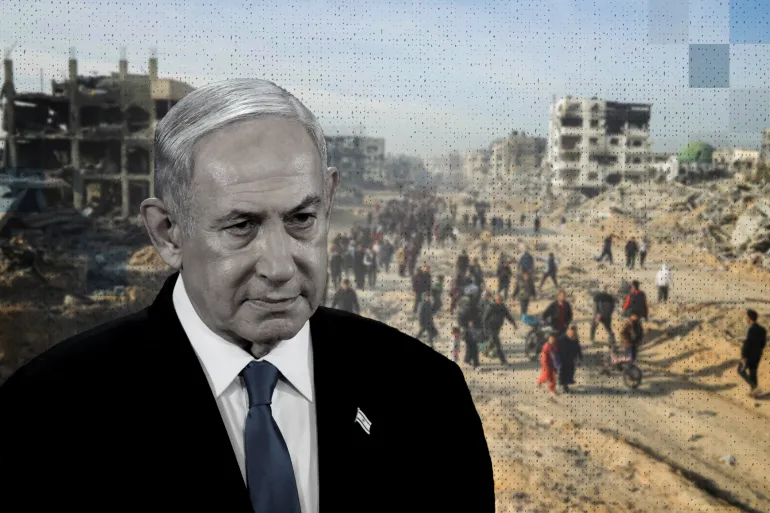
He added that the U.S.’s intensive movements and frequent visits to Tel Aviv indicate efforts to restrain Israel’s behavior and contain its Prime Minister, Benjamin Netanyahu, whom he described as “a burden on the American project in the region.” Basharat noted, “The United States fears that Netanyahu’s extremist mindset could backfire and ultimately harm Israel itself. Therefore, it is working to create balance within the Israeli political structure and possibly pave the way for early elections.”

In the same context, Basharat observed that Washington is also attempting to “redefine the conflict,” reframing it from a global confrontation with Israel into a limited Palestinian–Israeli dispute. He argued that this strategy seeks to rehabilitate Israel’s image after the crimes committed in Gaza and simultaneously allow the U.S. to “reassert itself as the leader of global politics in the Middle East.”

Basharat concluded by stating that “the political landscape is becoming increasingly complex, and the coming stage carries many dangerous indicators.” He called for a deliberate Palestinian reading of unfolding events to ensure that the results of steadfastness and resistance are not squandered, as happened in earlier stages such as the Oslo Accords.

Follow on Google News Follow on Flipboard
Share. Facebook Twitter Pinterest LinkedIn Tumblr Email
Previous ArticleElectric Vehicles: A Strategic Tool for Economic Resilience and Environmental Sustainability in Palestine
Next Article The Israeli Occupation Uses Palestinian Blood to Preserve Its Political Survival

Related Posts

Global trade in 2025 shaped by Trump’s tariffs

December 31, 2025

Belgium urges Israel to lift all restrictions on humanitarian aid to Gaza

December 31, 2025

“The Absence of an Economic Narrative”: Calls for a Unified Vision and Reforms That Address the Core of the Financial Crisis

December 23, 2025

Israeli authorities announce plan for 1,200 colonial units in Beit El

December 23, 2025

Dr. Ahmad Shadid: Heavy Rains Expose the Depth of Gaza’s Tragedy and Unmask Media Bias

December 16, 2025

Abdo Idris, warned against rushing ahead with the draft law aimed at reducing the use of cash

December 14, 2025
Recent Posts
  • Global trade in 2025 shaped by Trump’s tariffs
  • Belgium urges Israel to lift all restrictions on humanitarian aid to Gaza
  • “The Absence of an Economic Narrative”: Calls for a Unified Vision and Reforms That Address the Core of the Financial Crisis
  • Israeli authorities announce plan for 1,200 colonial units in Beit El
  • Dr. Ahmad Shadid: Heavy Rains Expose the Depth of Gaza’s Tragedy and Unmask Media Bias
Facebook Instagram YouTube WhatsApp
All Rights Reserved - Raqeeb Media Network 2025

Type above and press Enter to search. Press Esc to cancel.